

In Good Company
Notes on Good Good Supper Club + A Conversation with Chef Kayla Phillips

I launched Good Good Supper Club this past November, guided by my love of New York’s burgeoning supper club & pop-up dining scene. For the uninitiated: a supper club is typically a gathering of people in a private space, like a rented venue, a restaurant, or someone’s home, where a meal is shared. The menu is often curated around a theme, and the atmosphere is thoughtfully designed to produce a more intimate and communal dining experience. Our first dinner was held the past November at Cocina Consuelo (aka my happy place), where 24 of my close friends and family came together with chef & owner Karina Garcia. Karina crafted a bespoke menu for the supper club, featuring Mexican dishes imbued by West African flavors. One of the most memorable plates of the night: duck confit bathed in a peanut mole reminiscent of Senegalese maafe stew, in lieu of Cocina Consuelo’s traditional mole negro. It was a bold reinterpretation of a house menu favorite, and it stole the show.
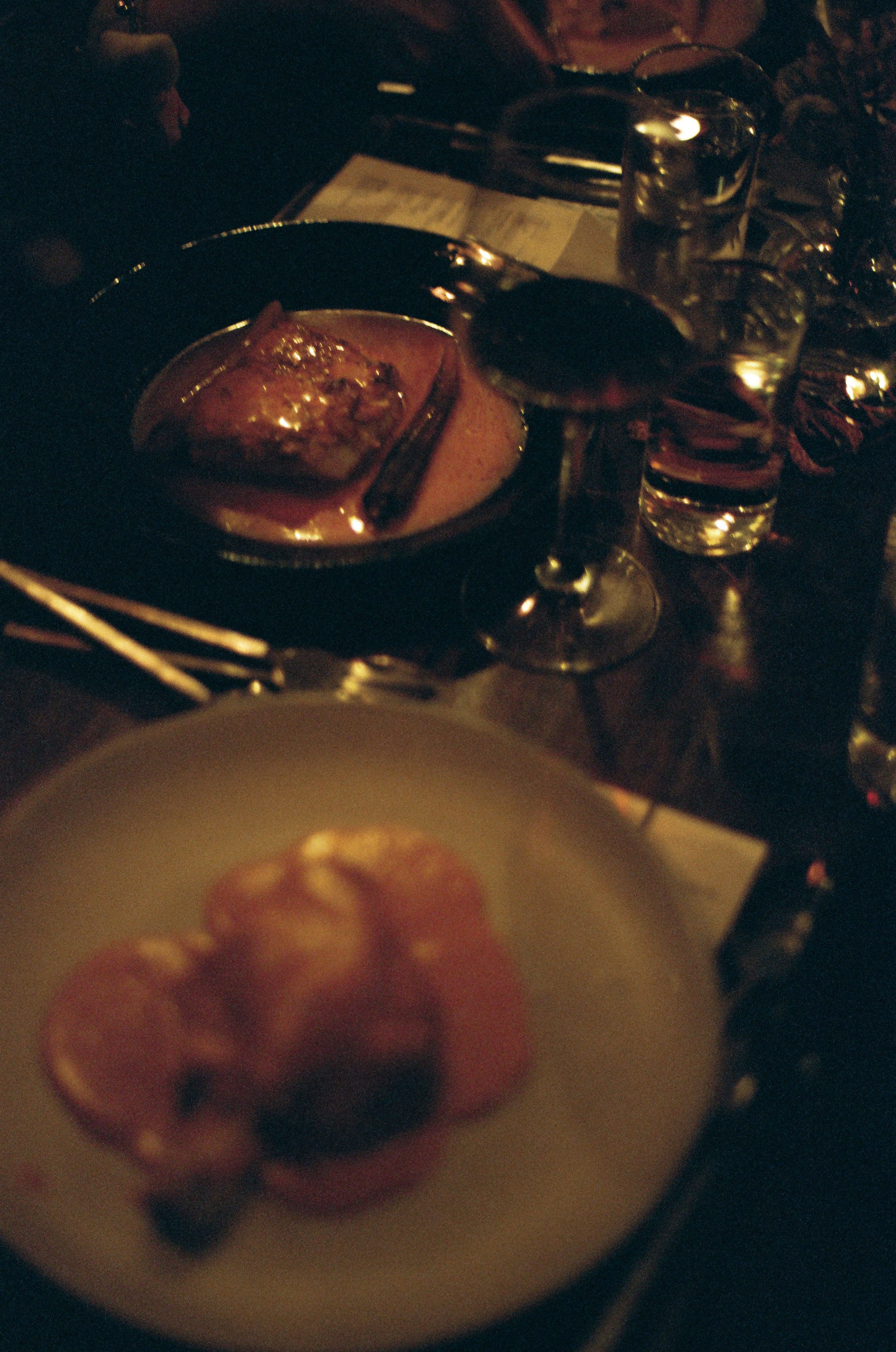
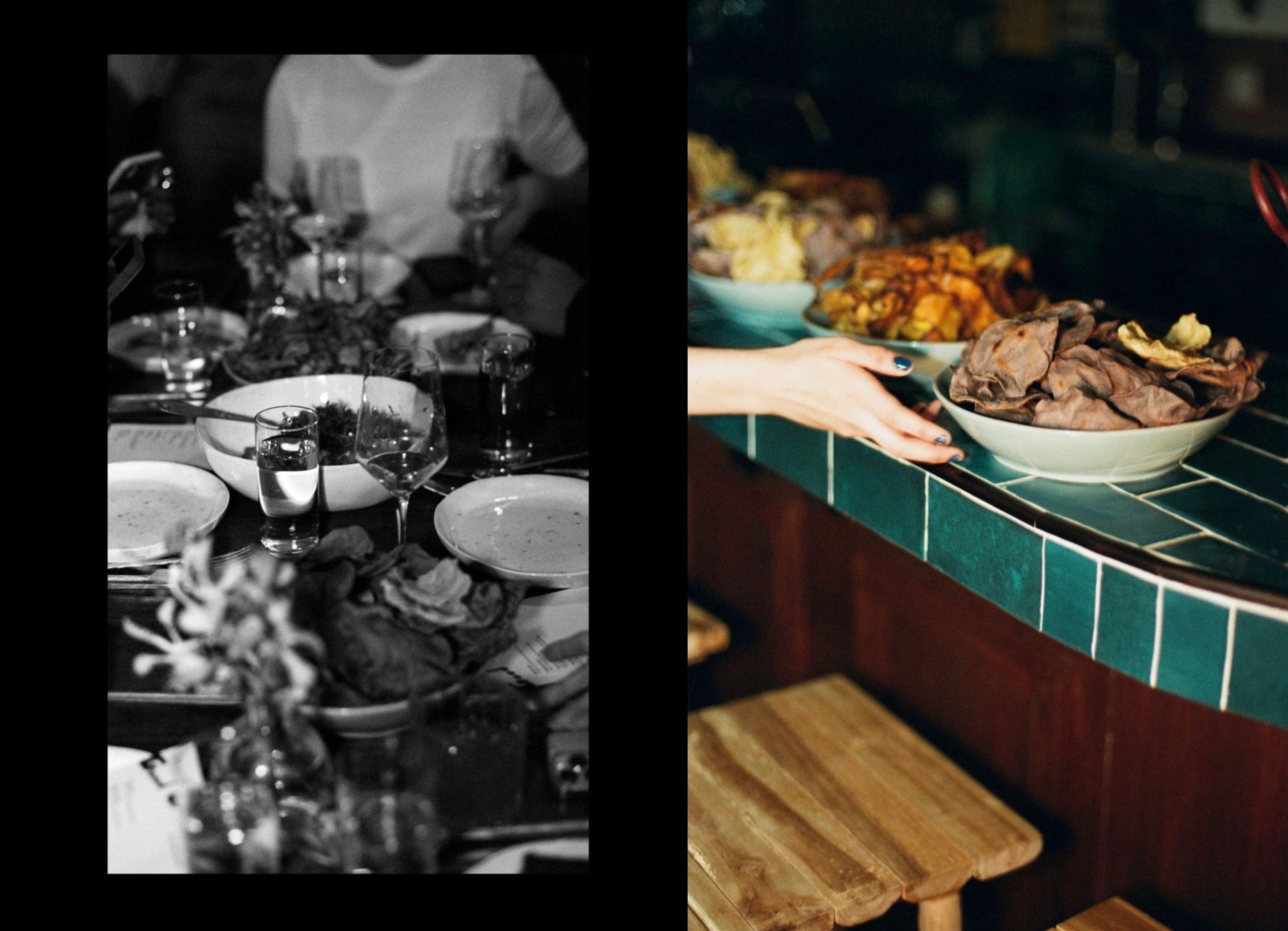
What excites me the most is the ephemera of these dining experiences. Some of the most incredible meals I’ve ever had came from menus that only existed for a single night. There is something enchanting about a meal you know you will only get to have once. It changes the way you eat. You don’t rush through it. Your awareness of each ingredient increases. You become more curious about the person who prepared your plate. It can be an all-encompassing experience — and that’s exactly what I want my guests to feel, too.
I want you to eat slower. Slow enough to think about the farmer who grew the food on your plate, and the hands that harvested it. I want you to consider the chef who prepared your meal, and the hundreds of decisions that culminated onto the plate in front of you. Consider the care that went into menu planning; dishes crafted around seasonal ingredients to highlight the ripest flavors while honoring the land. I also want my guests to be as taken with the conversations swirling around them as they are with the food itself. Maybe you’re sitting next to someone you never would have crossed paths with otherwise — but here you are, sharing the same table. That has actually been the sweetest part of these dinners for me; seeing the near instant way a room full of people who don’t know each other can so easily fall into a bubble of comfort. Watching strangers turn into friends. Being enveloped by laughter & spirited conversation. We’re all gathered under the premise of delicious food, and the food is very much the connective tissue of the overall experience, but it’s not just about that. It’s truly about how a room full of people, brought together by something as simple and profound as a shared meal, can spark something that feels bigger.
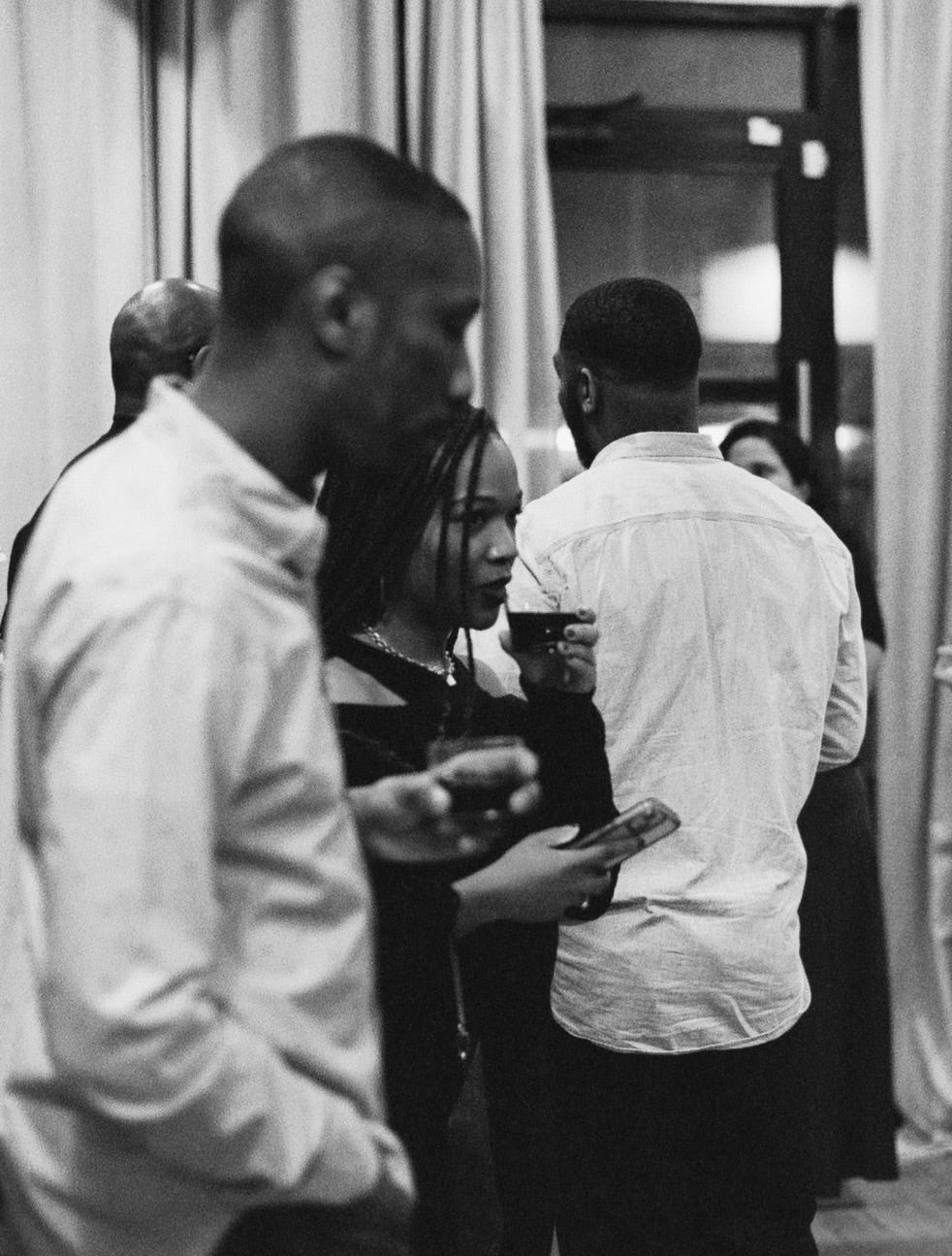
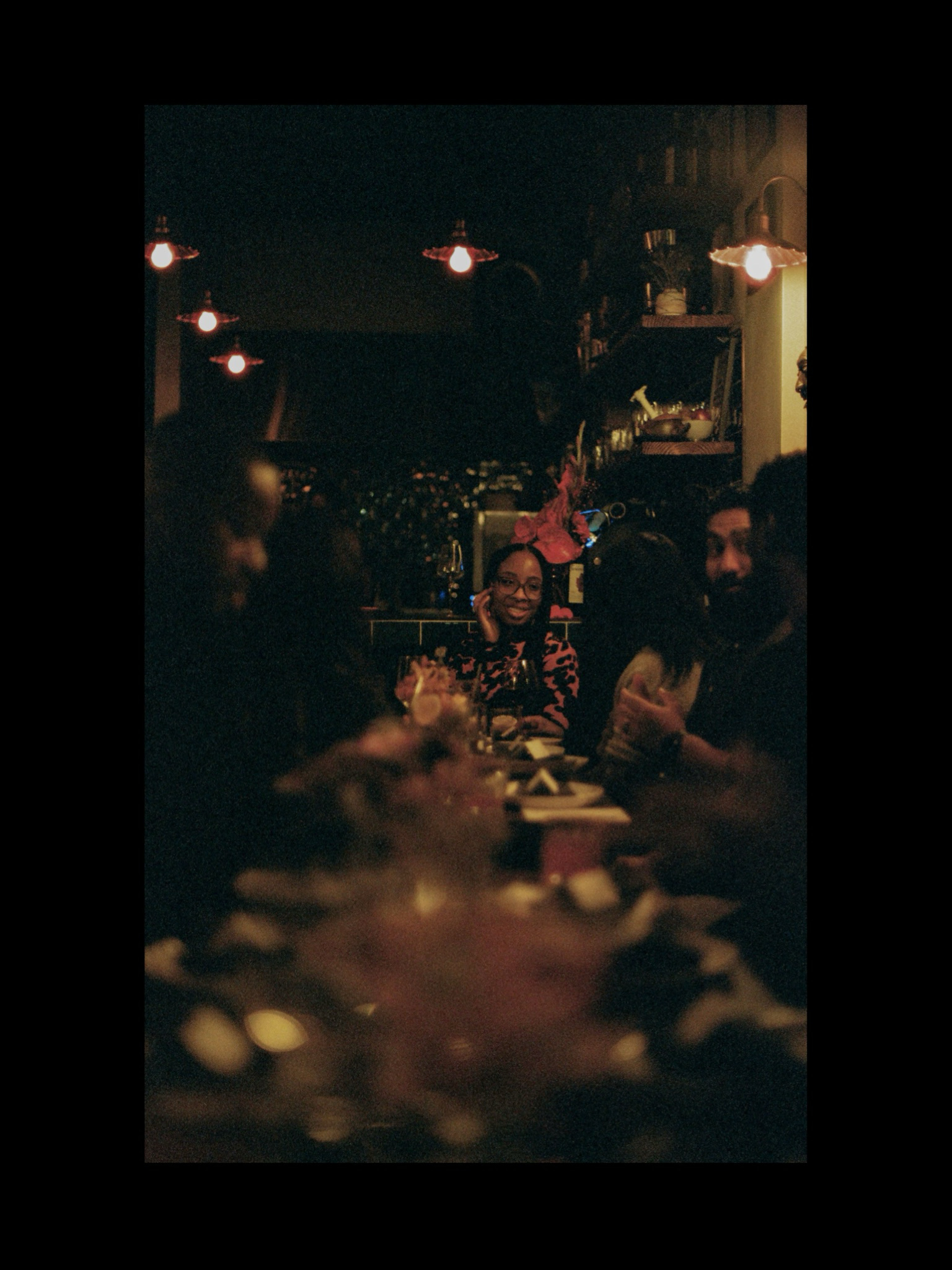
Speaking of something that feels bigger, these dinners have opened up a path for me to dive deeper into food advocacy. Through our most recent dinner in February, we raised $600 for One Love Community Fridge — a Brooklyn-based organization working to end food inequity in New York City. I’m extremely proud of this contribution we were able to make, and I’m eager to do more. My heart is set on using this supper club as a vehicle to support organizations working toward sustainable and dignified food access — through both financial contributions and hands-on service. Now more than ever we need to take care of each other, and I am fully embracing that charge.
So, what’s next? I will host more dinners this year (I am mentally preparing to kick off the planning for the next one as I type). The format might look a bit different this time around, though. I’ve been thinking a lot about the state of the world — how tight things feel, how stretched folks are. Hosting $160+ dinners doesn’t quite align with where my spirit currently is, so I’m exploring a few ideas to reshape this next gathering. My aim is to make the supper club a bit more accessible while staying true to our mission of giving back. I am very much in a test & learn phase, so my approach may continue to evolve in the near future. More to come on all of this soon. In the meantime, I’d love for you to stay connected so you’re close by as plans finalize (Website / Instagram).
Last month, I had the sweet pleasure of catching up with Chef Kayla Phillips — my most recent collaborator for our February dinner. Kayla and I met up at The Good Good, a spot in East Harlem whose name resonates with me for obvious reasons, and caught up on each other's lives over tea and a basket of Harlem Biscuit Company biscuits. I asked Kayla a few questions and snapped a few photos of her, too — I’m excited to share some gems from our conversation below.
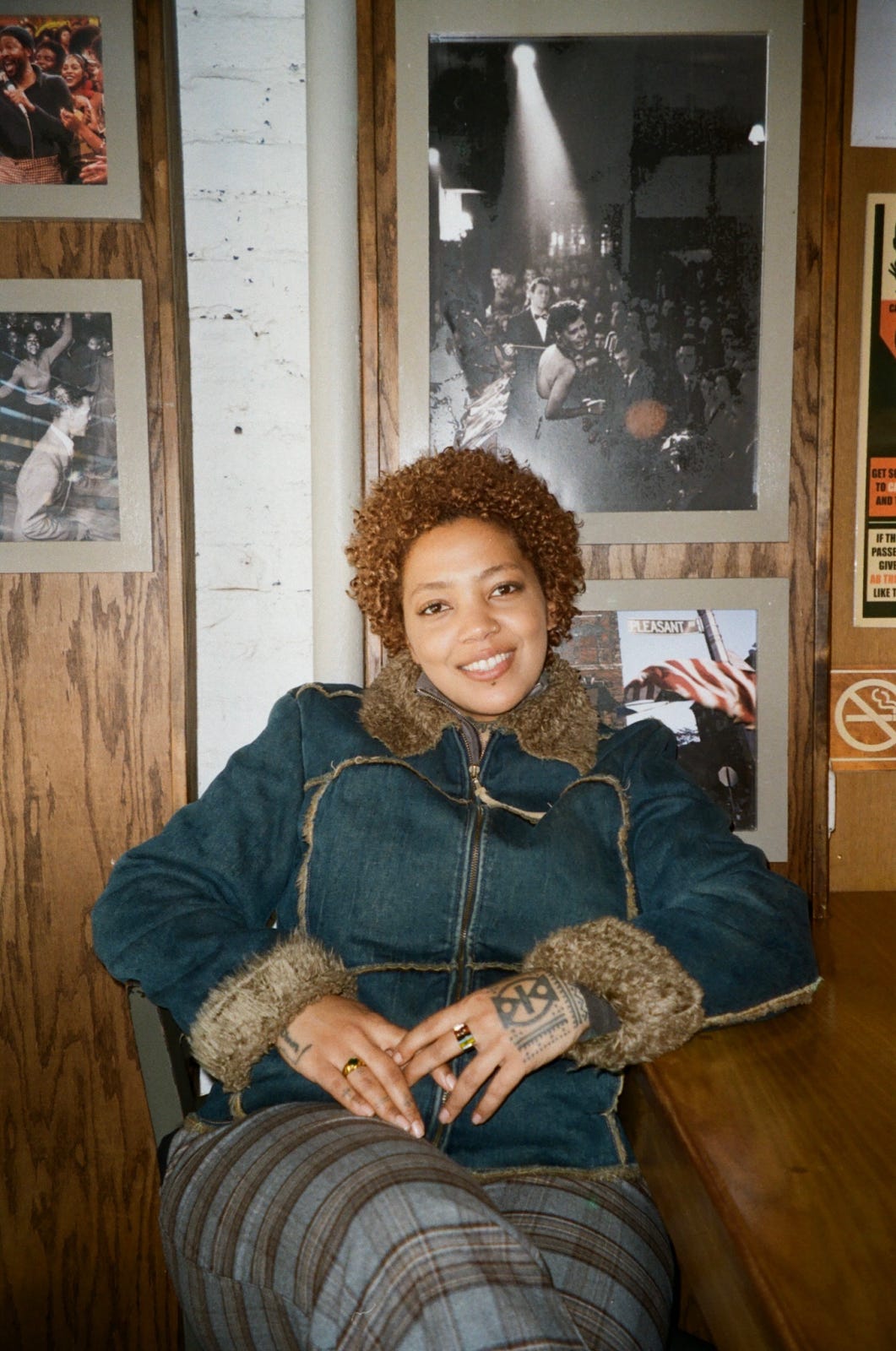
But before we get into that, I’d be remiss if I didn’t share a bit about my experience working alongside Kayla. She is such a light. When we first started planning our dinner back in December, it didn’t take long for us to hit it off. One of the first things we bonded over was our mutual love of hip-hop. Now, a quick aside: I’m a bit of an audiophile, and I hold a special corner of my heart for J Dilla. Our dinner took place on February 8th, a day after what would have been Dilla’s 51st birthday, so naturally I had to serve donuts for dessert as a nod to his infamous album. When I realized Kayla was equally excited about the idea, and she was a huge Dilla fan too — I knew we were locked in.
Everything after that flowed effortlessly: the menu, the logistics, the small pivots and adjustments. A blessing from start to finish. And the food? Kayla truly, truly outdid herself. Folks who attended the dinner are still talking to me about the food nearly 3 months later. Kayla built a menu that celebrated the richness of Southern fare and the far-reaching hands of the Afro-Diaspora. Roasted Berbere-spiced chicken lacquered in a burnt onion jus. Hoppin’ John that sang when it hit the tongue. Sweetgrass-smoked sweet potatoes whose aroma filled the room. You really just had to be there. And as if Kayla wasn’t amazing enough, she has recently taken on the role of Executive Chef at Refettorio Harlem — a cultural and culinary hub that reimagines hospitality by transforming recovered ingredients into nourishing meals, served with dignity and care to the local community.
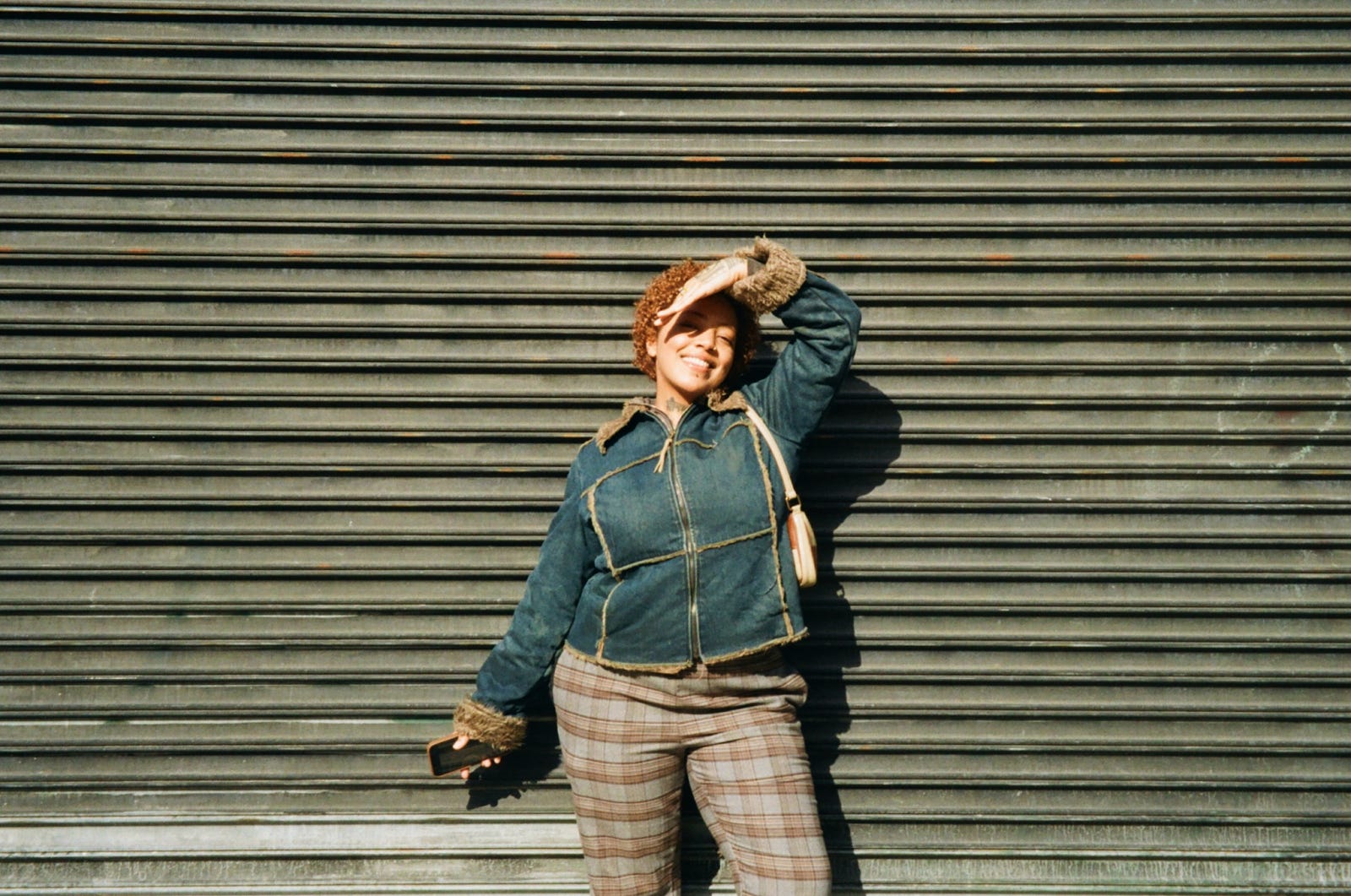
Dami: What is your earliest memory that shaped your relationship with food?
Kayla: My first food memory, the one that changed everything for me, happened when I was ten. Up until that point, my diet was mostly fast food and TV dinners. A home-cooked meal was something I had never really known. That all changed when my family moved from Atlanta to a tiny town in Colorado called Paradox Valley — population of 75. The town had a general store and a charter school where my mom worked as a lunch lady.
I became friends with one of the teacher’s daughters, and one day she invited me over for a sleepover. Her family lived on an orchard, surrounded by fresh peaches, apples, and apricots. For breakfast, her mom pulled out a tub of Brown Cow yogurt, the kind with the cream top. Then she stepped outside, picked fresh peaches from the tree, sliced them, and layered them in a bowl with the yogurt, adding the cream top and some honey.
I literally feel like that's the first time I had real food. I can’t explain it, but that bowl of yogurt, yogurt fat, and fresh peaches changed everything for me. I went home and told my mom, ‘I want to learn how to do this.’ I was interested in food for the first time ever because I felt like I had tasted real food for the first time ever. It was so good. So tasty. Peaches and cream, she called it. It’s still one of my favorites.
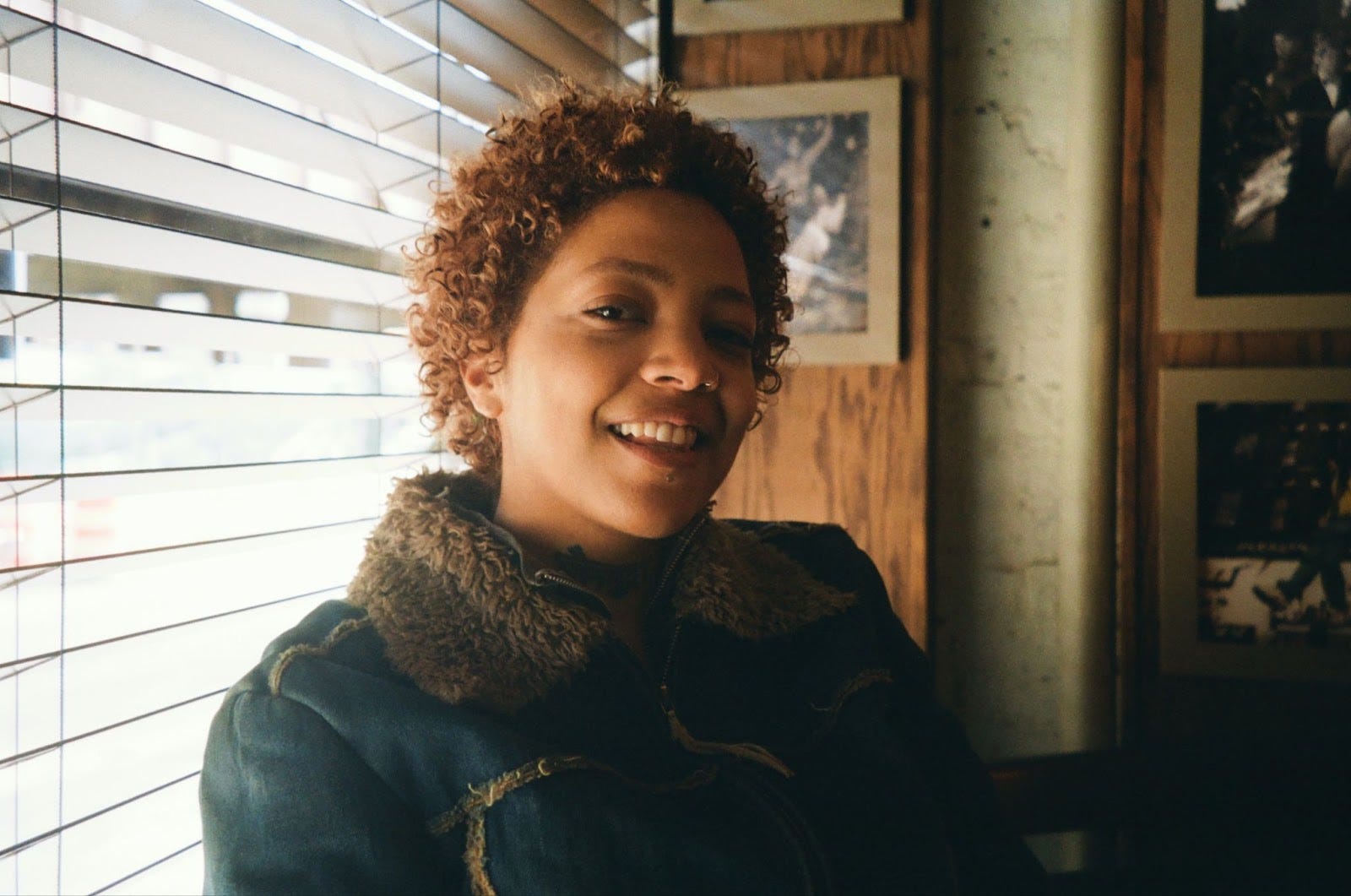
Dami: You recently stepped into a new role as Executive Chef at Refettorio Harlem. What would you call this current chapter of your culinary career?
Kayla: I would definitely call it “The People's Chef.” I've spent a lot of time thinking about what it means to belong to the people – what it means when something truly belongs to them. Who are “the people,” really? Right now, I can say definitively that my work is for the people. And the most beautiful part is that I’m not separate from them. I am the people. My bank account was negative before I took this job. I know what it means to be in it. So yeah, “The People's Chef."
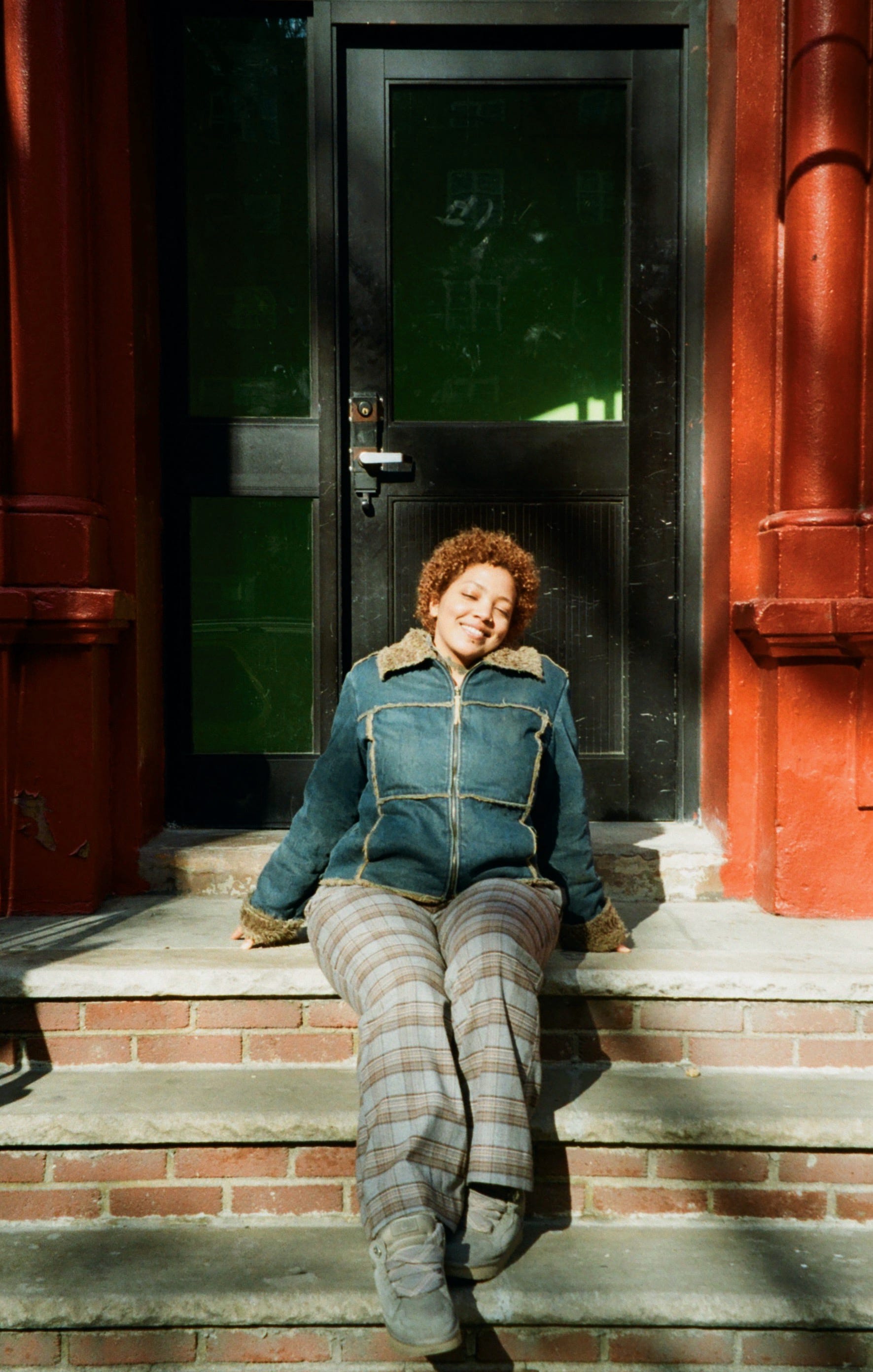
Dami: Bearing your work at Refettorio Harlem in mind, can you share more about how the culinary world intersects with larger social and cultural forces?
Kayla: I think we live in a world where the very existence of the bourgeois feels absurd. To know that some people are literally digging through the trash for food while others throw perfectly good food away — it’s dystopian. I worked a dinner over Thanksgiving where someone tossed $2,000 worth of caviar in the trash. I couldn’t believe it. The work I do is about treating food with the respect it deserves without turning it into some kind of status symbol or gatekeeping tool for access to a social class.
Everyday in my current role at Refettorio, I introduce people to new ingredients. But it’s important to do that in a way that feels reflective — not foreign. Because at the end of the day, it’s food. It can always be connected back to you in some way. The idea that certain foods belong to a specific class or race is the exact opposite of what food is meant to do.
When we talk about the intersection of food and social issues, they don’t just intersect — they’re married. They move hand in hand. Because when people are struggling, when they’re in any state of poverty, one of the first questions is always, How am I going to eat? Food is the backbone, the biggest vein running through the poverty beast.
In fine dining, people love to talk about “elevating” certain cuisines. I’ve worked in that world, where chefs feel like their cultural food isn’t valued unless it’s refined, adjusted, or “elevated" to fit a certain kind of dining room. But I don’t agree with that at all. To me, nothing needs to be elevated. A fresh corn tortilla made by someone’s grandmother in Oaxaca? That’s as rich as it gets.
So the goal is to keep everyone feeling welcome at the table. No cuisine, no dish, no ingredient should ever feel off-limits to anyone. But as long as we keep gatekeeping food, we’re doing the exact opposite. And that’s what we have to push against.
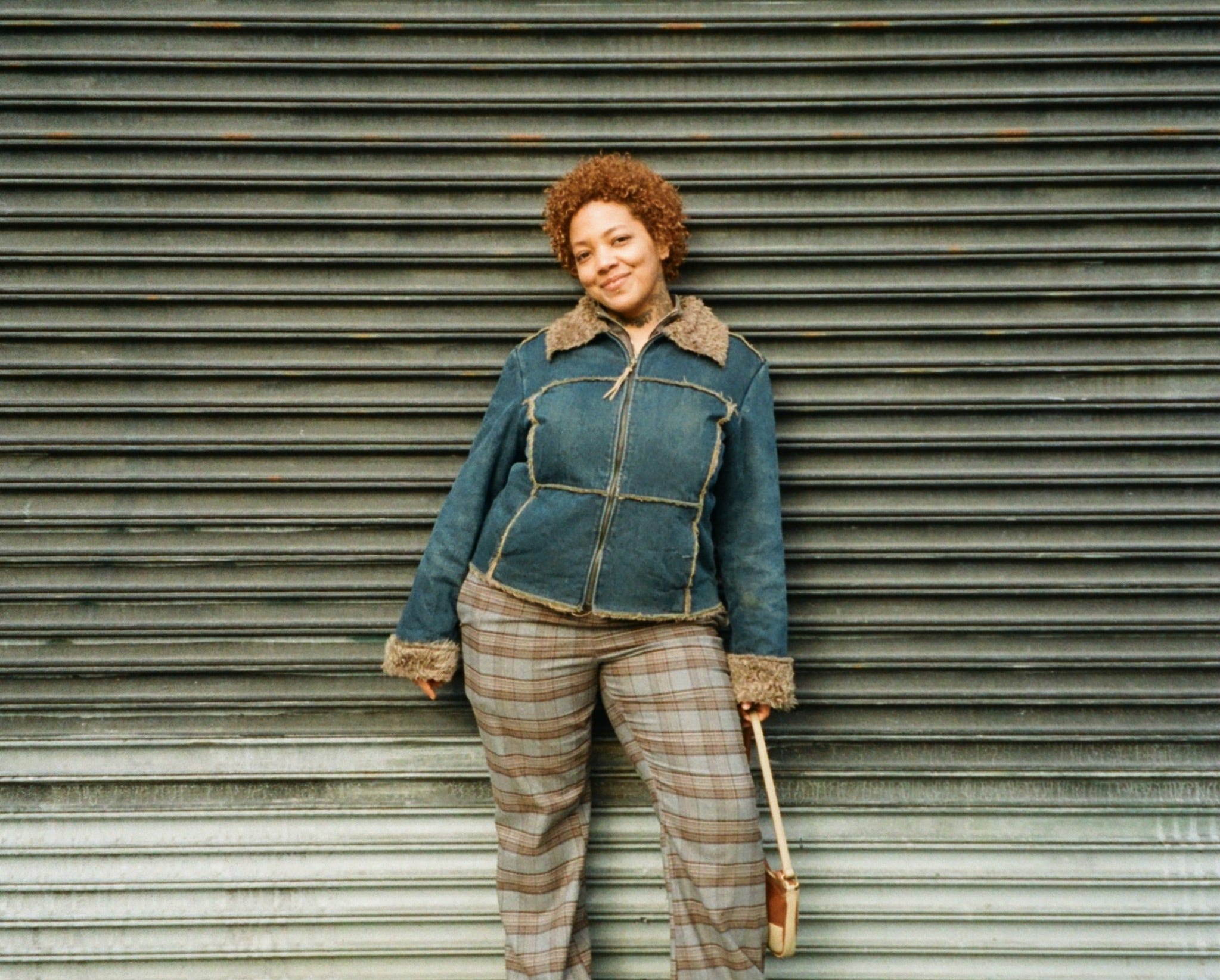
Dami: How do you want your food to make people feel?
Kayla: So as long as my real feelings come through in the food, that’s all I can ask for. I think that makes for the most authentic bite. And sure, maybe I don’t always want someone to taste a dish and feel that the chef was rushed or stressed — but sometimes, that’s part of the experience too.
Ideally, I want people to take a bite and feel like they’re looking into a mirror. Maybe it’s crystal clear, maybe it’s a pond, maybe it’s frosted glass. But I want them to find something familiar in the food — in some way, shape, or form.
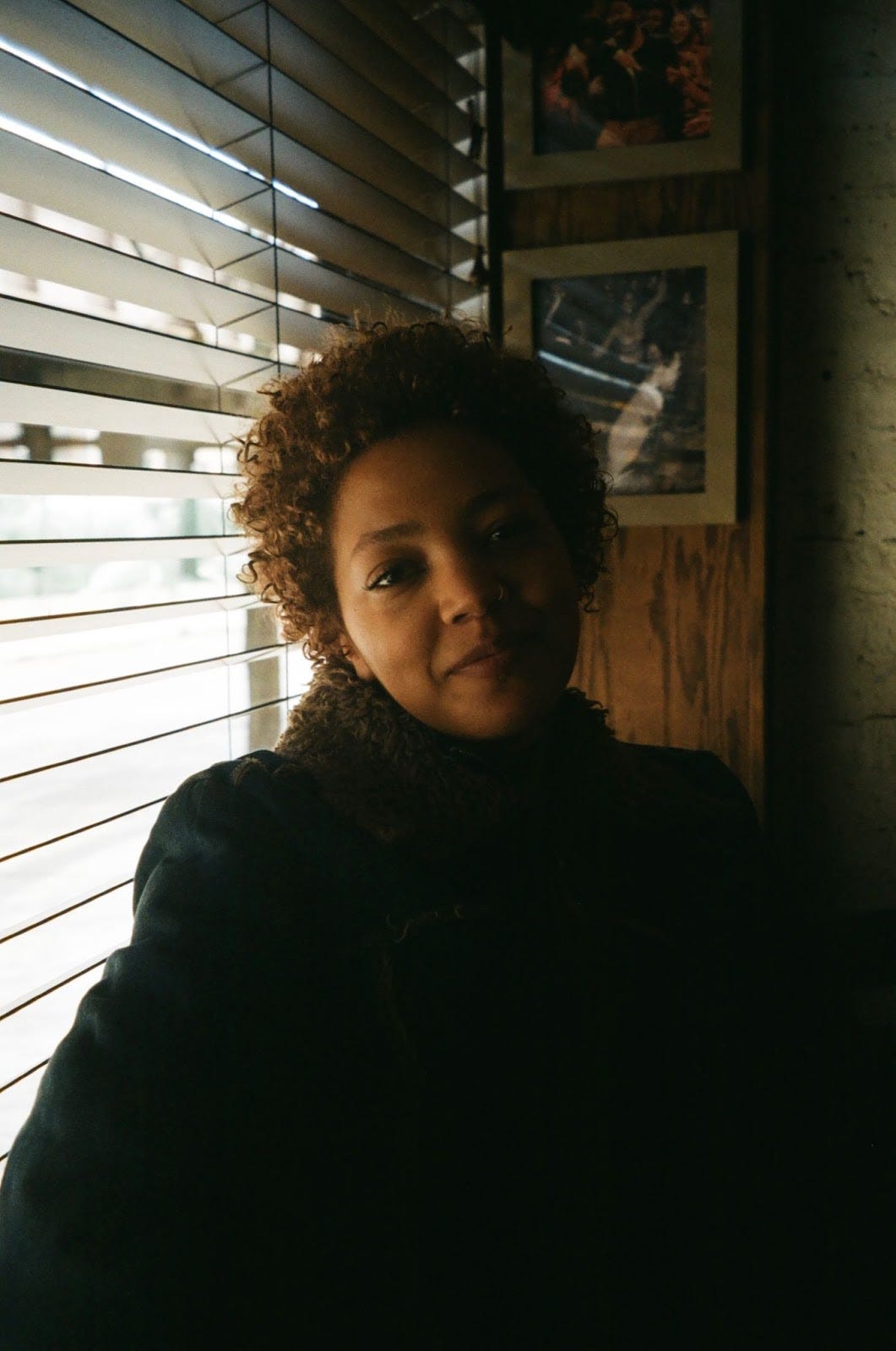
Dami: Is there an ingredient through-line present in your cooking? Or a “secret ingredient”?
Kayla: As you were asking, I got a little nervous because I thought, I don’t really have one. But then I realized, I think my secret ingredient is brown sugar.
If I’m baking and a recipe that calls for white sugar, I will almost always split it in half with brown sugar — depending on what it is. And I use brown sugar in all of my savory dishes. Always. Now that I’m thinking about it, I use a lot of brown sugar. When I make my matcha in the morning? Brown sugar. When I’m searing oxtail, or any meat? A lot of that caramelization comes from brown sugar. Yeah, I think that’s it. Brown sugar.
Photography: Temi Oyelola (top section) & Dami Oyelola (bottom section)
Such a good read! I love the idea of slowing down & considering all aspects of what goes into preparing a meal. You always give me a new perspective to think about 👏🏾✨
Im so glad to see you breaking forth creatively and sharing your gift with the world Dami. This was a beautiful read and looking forward to more. The photos look beautiful also.